
Repair vs. Replace: How Homeowners Decide What Makes Sense
Introduction
Homeowners frequently confront a critical choice when faced with issues in their residences: should they repair the existing system, material, or structure, or opt for a complete replacement? This dilemma can arise in various contexts, such as plumbing failures, roof leaks, electrical malfunctions, or even structural deterioration. The decision to repair versus replace is not merely a matter of preference; it is influenced by numerous factors that must be carefully evaluated.
Several considerations come into play when making this decision. First, homeowners must assess the extent of the damage or problem. A minor issue, such as a small leak, may only require a repair, whereas extensive damage could necessitate a full replacement to ensure safety and functionality. Understanding the underlying cause of the issue is also essential, as superficial repairs may not address the root problem, leading to further complications in the future.
Cost is another significant factor. While repairs may seem less expensive upfront, the long-term expenses associated with frequent maintenance or temporary fixes can accumulate, making replacements a more cost-effective option over time. Additionally, the age and condition of the materials or systems in question play a crucial role. Older systems may not only become increasingly prone to failures but may also be less efficient, prompting a shift toward modern replacements that offer improved energy efficiency and performance.
Homeowners must also consider the impact of their decision on property value. A well-maintained home typically retains its market value, while unresolved issues can deter potential buyers. As such, choosing the right course of action—whether repairing or replacing—can significantly affect both immediate living conditions and long-term financial outcomes. This decision-making process requires homeowners to weigh these factors carefully to ensure that they make an informed choice suitable for their unique circumstances.
When Repair May Make Sense
Homeowners often face the critical decision of whether to repair or replace various aspects of their property. In several specific scenarios, repairing existing features can be a more sensible option than opting for a complete replacement.
One common situation where repair makes sense involves smaller damages. For instance, a minor leak in a pipe might be effectively fixed without the need for a complete overhaul of the plumbing system. Addressing small issues promptly through repair can prevent more extensive damage and costly replacements in the future.
The age and condition of materials play a significant role in this decision-making process. If a component, such as a roof or floor, is still relatively new and well-maintained, repairs can often restore functionality without the significant expense of a full replacement. Homeowners should carefully assess the state of their materials to determine if they can withstand repairs.
Localized issues also lend themselves to repairs. For example, if a section of siding is damaged due to a weather event, replacing just that section may be a more resource-effective solution than changing all the siding. Repairing localized damage can save on material costs and labor, while also maintaining the aesthetic continuity of the home.
Additionally, lower repair costs compared to replacement make it an attractive option for many homeowners. Repairing damaged areas can be significantly less expensive than buying and installing new components. This financial consideration encourages many to choose repair, particularly when budgets are tight.
Finally, when the remainder of the home's features are in good condition, it may further support a decision to repair rather than replace. If a home is generally well-maintained, and only specific areas show signs of wear, the focus should be on practical repair, ensuring the house remains overall functional and appealing.
When Replacement May Be Better
Homeownership often involves making critical decisions regarding maintenance and repairs. One of the most significant decisions is whether to repair or replace components within the home. There are specific circumstances where replacement is not just preferable but may also be a more sensible and economical choice.
One reason to consider replacement is if a homeowner frequently faces recurring issues that necessitate regular repairs. This pattern can often result in higher cumulative costs related to service calls and materials over time, particularly if the same components continue to fail. If a repair solution feels temporary and the problem recurs, replacement can provide a long-term solution that ultimately saves money and reduces owner frustration.
Widespread damage, particularly to vital materials such as roofing or foundational elements, is another compelling reason to opt for replacement over repair. If damage is extensive, repairing only a portion of it may not address underlying issues adequately, leading to further deterioration. The safety of the home is paramount, and significant structural weaknesses can pose risks to occupants.
Safety concerns also factor heavily into the replacement decision. For instance, old electrical systems or appliances may pose fire hazards due to aging components, which could create unsafe living conditions. In such cases, replacing outdated systems with newer, safer alternatives is a responsible choice.
Another significant factor to consider is energy efficiency. Components like windows, doors, and HVAC systems can deteriorate over time, leading to increased energy consumption. Replacing these with energy-efficient models can markedly reduce utility bills, providing financial relief over the long haul. Additionally, the potential for tax incentives or rebates for energy-efficient upgrades may also influence the homeowner's decision.
Common Examples
The decision of whether to repair or replace various components of the home is a frequent dilemma for many homeowners. Each situation entails distinct factors that must be assessed to make an informed decision.
Take, for instance, roof repair vs. roof replacement. If a homeowner discovers a small leak, repairing the affected area may suffice. However, if the roof shows extensive wear, sagging, or significant leaks throughout, a full replacement may be the more prudent choice. A comprehensive inspection can help identify whether the repairs will yield a long-term solution or if a replacement is necessary to avoid further costs.
In the case of siding repair vs. replacement, the decision typically hinges on the extent of the damage. Minor cracks or warping might be addressed with localized repairs, but if the siding is consistently failing and affecting insulation, replacing it can enhance energy efficiency and curb appeal.
The window repair vs. replacement choice presents another classic example. Homeowners might find that cracked or cloudy glass can be repaired affordably; however, if the frames are rotting or if the windows are over two decades old, it is often more cost-effective to opt for replacements that provide better insulation and security.
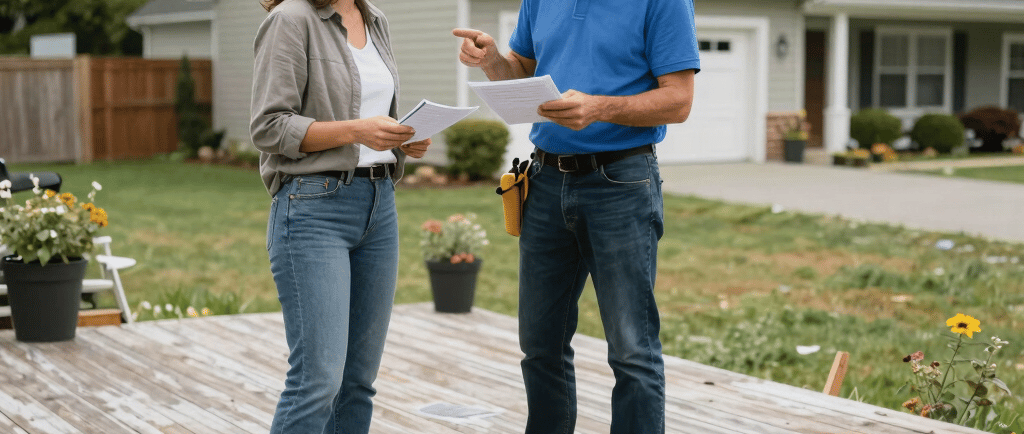
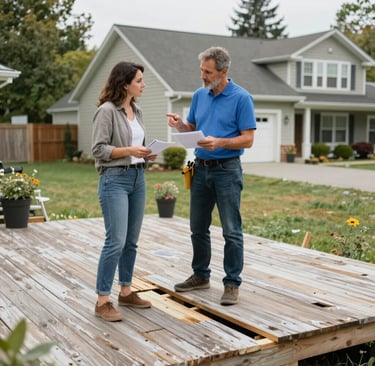
Decks often face wear and tear from the elements, leading to the deck repair vs. deck replacement question. Surface boards that are sun-faded or splintered can be replaced individually, but if the underlying structure is compromised, it may necessitate a complete rebuild for safety and functionality.
Lastly, considerations around flooring repair vs. flooring replacement can arise when faced with damage from water, scratches, or wear. While a few scratches on hardwood may be addressed with refinishing, broad sections of damaged flooring typically warrant replacement to ensure a cohesive appearance and stability.
Questions to Ask a Contractor
When homeowners are faced with the decision between repairing or replacing a home component, it is essential to engage with a qualified contractor. To make an informed choice, here are critical questions to consider when interacting with local professionals.
Firstly, inquire about the cause of the issue. Understanding the underlying problem is vital, as it can impact the longevity and effectiveness of either a repair or replacement. Ask the contractor how they determined the cause and what signs they observed, ensuring they conduct a thorough assessment.
Next, homeowners should seek clarity on the duration and quality of the proposed solution. Questions regarding how long the repair or replacement will last and what materials will be used can heavily influence the decision. A transparent contractor should provide insights into the expected lifespan of their work and assure you about the quality of the materials they intend to use.
It is also important to discuss the implications of delaying action. Asking the contractor what may happen if repairs or replacements are postponed can help assess any potential escalation of the problem. This can provide critical information for homeowners weighing the urgency of their decision.
Obtaining detailed estimates is another necessary step. Homeowners should ask for a complete breakdown of costs, including labor and materials. Understanding this can aid in comparing different contractors and ensuring that no hidden fees exist.
Additionally, inquire about any risk factors associated with the repair or replacement. This includes potential hazards during the process or long-term risks linked to unresolved issues. Finally, confirm warranty information. A reputable contractor should stand by their work, and knowing the specific terms and conditions associated with warranties can make a significant difference in long-term satisfaction.
Why Local Experience Matters
When considering whether to repair or replace home components, it is vital to engage contractors with local experience specific to the environmental conditions of Vancouver, WA, and the surrounding areas of Southwest Washington. This region's unique climate can significantly impact the longevity and integrity of homes. Contractors familiar with the local landscape understand the nuances of the environment that may lead to common problems such as moisture accumulation, moss growth, and wood rot.
For instance, Vancouver experiences considerable rainfall, which increases the likelihood of water infiltration and subsequent damage. An experienced local contractor will recognize the signs of potential water damage early and can suggest appropriate repair methods or replacements that are climate-appropriate. Such localized knowledge enables more tailored solutions that not only address current issues but also mitigate future risks.
Moreover, moisture-related issues are often intertwined with rampant moss growth, which can cause significant harm to roofing, siding, and other exterior components of a home. Contractors who have worked extensively in this region know how to treat and manage moss effectively while implementing materials and techniques that resist such growth. This preventative measure not only prolongs the life of various elements in a house but also enhances the property’s overall aesthetic appeal.
Finally, understanding the prevalence of wood rot in environments with high humidity and precipitation is critical. Contractors with regional expertise will provide insights on material selection, ensuring that only rot-resistant options are utilized during repairs or replacements. Their familiarity with local resources ensures that homeowners are provided with the most effective solutions for their specific context.
Frequently Asked Questions
Homeowners often find themselves grappling with the decision of whether to repair an existing component of their home or opt for a complete replacement. This dilemma can be particularly challenging when considering the associated costs and the potential long-term implications of each choice. Below are some common questions homeowners may have regarding this topic.
When is it better to replace rather than repair? In many cases, replacing an item may be more efficient and cost-effective in the long run. If a system, such as an air conditioning unit or a roof, has extensive wear and age, it may be more sensible to invest in a new one rather than continue to pay for repairs. Additionally, if repairs are frequent and costly, replacing the item may provide greater peace of mind and improve overall home safety.
How should I compare estimates for repairs and replacements? When evaluating estimates, it is essential to consider the scope of work outlined in the proposals. Ensure that both repair and replacement estimates include all associated costs, such as labor, materials, and any necessary permits. Homeowners should also inquire about warranties and the expected lifespan of the potential replacement products. This holistic view will provide a clearer picture to make an informed choice.
What are some tips for finding local contractors in Vancouver, WA? First, seek recommendations from friends and family who have had similar work done. Online platforms such as Yelp and Angie's List offer valuable insights into local contractors' reputations through reviews. It is advisable to obtain multiple quotes and ensure that the contractors are licensed and insured, allowing for a smoother engagement should a repair or replacement decision be made.